Introduction
Your business might offer excellent products or services, but what happens when a potential customer visits your website and cannot figure out what you do?
They leave. Sometimes within seconds.
That is why website design services matter. A website should not simply look attractive. It should explain your business, answer visitors’ questions, build trust, and make it easy for people to take the next step.
Whether you run a small business, manage an online store, or want to establish a professional presence, choosing the right website design approach can make a real difference.
However, before spending money on a website, it helps to understand what you actually need and what you can safely ignore.
Table of Contents
1. What Are Website Design Services?
2. Types of Website Design Services
3. What Makes a Good Business Website?
4. How to Choose a Web Development Agency
5. Common Website Design Mistakes
6. Frequently Asked Questions
7. Conclusion
1. What Are Website Design Services?
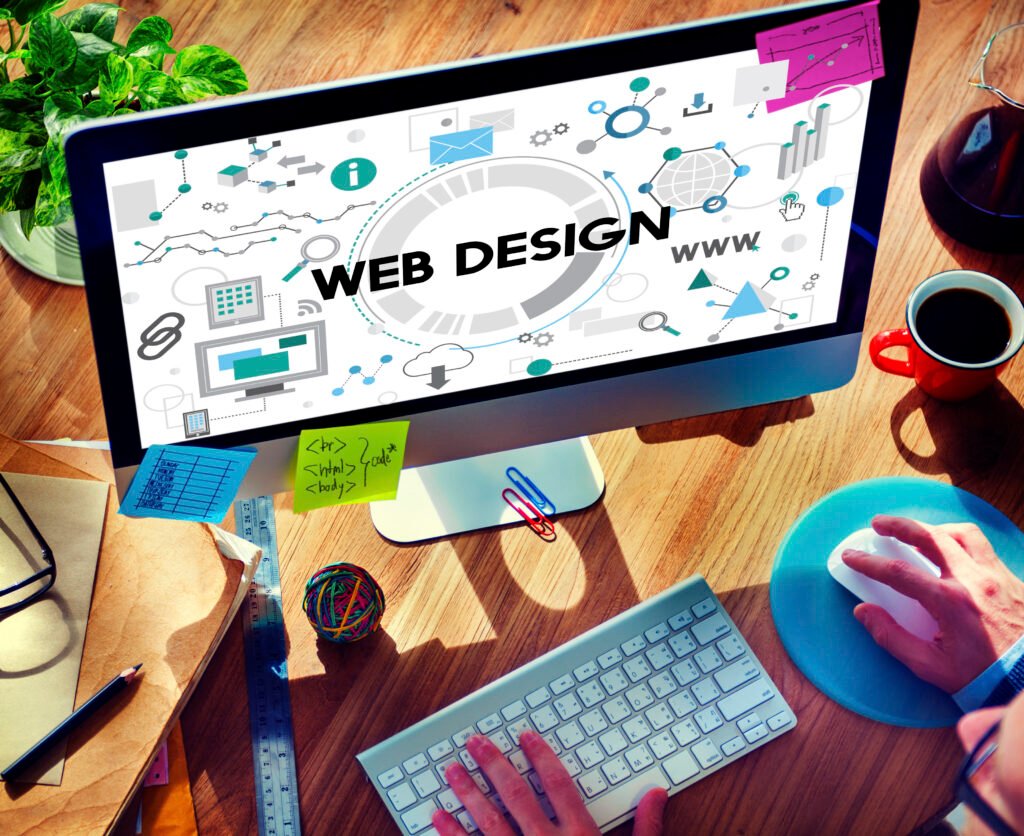
Website design services involve planning and creating the visual layout, structure, navigation, and user experience of a website.
Depending on the project, these services may also include website development, mobile responsiveness, content placement, contact forms, search engine optimization, and ongoing maintenance.
For example, imagine a local restaurant wants more customers. A well designed website could display its menu, location, opening hours, food photographs, and reservation details.
Visitors should not need to search through five different pages just to find the restaurant’s phone number.
That is the purpose of thoughtful website design. It makes information easy to find and actions easy to complete.
Website Design vs Website Development
Website design focuses on how a website looks and how visitors interact with it. Website development focuses on building the functionality that makes the website work.
In practice, the two often overlap.
A WordPress website built with Elementor, for instance, may involve designing page layouts, configuring responsive sections, adding forms, and testing navigation across different devices.
Both design and development matter if you want a website that looks professional and works correctly.
2. Types of Website Design Services
Not every business needs the same website. Paying for features you will never use is not a smart investment.
1. Business Website Design
A business website introduces your company, explains your services, and gives potential customers a way to contact you.
It commonly includes a homepage, about page, services page, and contact page.
This option works well for consultants, agencies, local businesses, and service providers.
2. E Commerce Website Design
An e commerce website allows customers to browse products, add items to a cart, and place orders online.
Depending on the business, it may require product categories, payment integration, shipping settings, inventory management, and order notifications.
Before building an online store, decide how many products you sell and how you plan to manage orders. These details affect the website’s structure and cost.
3. Portfolio Website Design
A portfolio website showcases your work, skills, projects, and professional background.
It is useful for designers, photographers, freelancers, and creative professionals.
A portfolio should demonstrate what you can do rather than simply claim that you are talented. Real project examples are more convincing than a page full of impressive adjectives.
4. Educational Website Design
Schools, colleges, and training institutes often need websites that display courses, admission information, faculty details, notices, and contact information.
The design should make important information accessible to students and parents without creating unnecessary confusion.
5. Restaurant Website Design
Restaurant websites can display menus, opening hours, locations, photographs, and reservation options.
If customers frequently ask the same questions over the phone, adding clear answers to the website may save time for both customers and staff.
3. What Makes a Good Business Website?
A professional website is not defined by how many animations it contains. It is defined by how well it serves its visitors.
Mobile Friendly Design
Many people browse websites on smartphones. Your website should adapt to different screen sizes without forcing visitors to zoom in or scroll sideways.
Check headings, buttons, images, forms, and menus on mobile devices before publishing.
Clear Navigation
Visitors should understand where to go next.
Use descriptive menu labels such as Services, About, Portfolio, and Contact. Avoid creative labels that sound impressive but tell nobody what the page contains.
Fast Loading Pages
Large images, unnecessary plugins, and poorly configured hosting can slow down a website.
Compress images, remove features you do not need, and test important pages. A visually impressive website is not particularly impressive when visitors are waiting for it to load.
Search Engine Friendly Structure
Good website design should support SEO from the beginning.
Use descriptive page titles, logical headings, relevant internal links, readable URLs, and useful content. Make sure search engines can access important pages.
These practices help search engines understand your website, although they cannot guarantee rankings.
Clear Calls to Action
Tell visitors what they can do next.
Depending on your business, this could mean requesting a quotation, booking an appointment, calling your team, or purchasing a product.
A clear button is useful. A button that leads nowhere is just decoration.
4. How to Choose a Web Development Agency
Choosing a web development agency requires more than comparing prices.
Start by reviewing its previous work. Look for websites that function correctly, display well on mobile devices, and make information easy to find.
Next, ask what the quoted price includes.
Does it cover domain setup, hosting configuration, responsive design, contact forms, basic SEO, security measures, and post launch support? These details should be clear before work begins.
You should also understand who will own the website, domain, content, and administrator accounts.
For a small business website, WordPress and Elementor may provide a practical starting point. More complex projects may require different tools or custom development.
The right choice depends on your requirements, budget, and plans for future growth.
5. Common Website Design Mistakes
Several mistakes can reduce the value of an otherwise attractive website.
Too much information on the homepage: Visitors need a clear introduction, not your company’s entire history in the first paragraph.
Ignoring mobile users: A website that works only on a desktop leaves mobile visitors with a poor experience.
Using unclear calls to action: Visitors should not have to guess how to contact you or purchase your services.
Choosing design over usability: Animations and visual effects should support the experience rather than distract from the main purpose.
Ignoring maintenance: Software updates, backups, security checks, and form testing help keep a website functional after launch.
Before publishing, test the website as if you were a first time visitor. Can you understand the business, find the main service, and contact the owner without unnecessary effort?
If not, fix those problems before adding more features.
6. Frequently Asked Questions
1. What do website design services include?
They may include website planning, visual design, responsive layouts, navigation, page creation, contact forms, and user experience improvements. Some providers also offer development, SEO, hosting setup, and maintenance.
2. How much do website design services cost?
The cost depends on the number of pages, design requirements, functionality, content, integrations, and ongoing support. Request a written quotation based on your specific requirements rather than relying on a generic price.
3. How long does it take to build a website?
A simple business website may take a few weeks, while a complex e commerce website can take considerably longer. Content availability, revisions, integrations, and project scope all affect the timeline.
4. Is WordPress suitable for business websites?
Yes. WordPress supports many types of business websites and offers a wide range of themes and plugins. The right setup depends on your requirements, maintenance plan, and technical needs.
5. Do website design services include SEO?
Not always. Some providers include basic on page SEO, while others charge separately for keyword research, content optimization, technical SEO, and ongoing campaigns. Confirm the scope before signing an agreement.
6. How do I choose the right website design company?
Review its portfolio, compare project scopes, check references when available, ask about ownership and maintenance, and make sure the team understands your business goals.
7. Conclusion
Website design services should help your business communicate clearly, establish credibility, and make it easier for visitors to take action.
The best website is not necessarily the one with the most expensive design or the longest list of features. It is the one that meets your audience’s needs and supports your business objectives.
Before choosing a provider, define your goals, understand your requirements, and compare the actual value offered by each option.
A thoughtful website can provide a strong foundation for your online presence, provided it is maintained and improved as your business grows.
Call to Action
Planning a new business website or thinking about improving your existing one?
Start by listing the features your customers genuinely need. Then explore suitable design options and choose an approach that fits your goals and budget.