Introduction
Starting an online store can help a small business reach customers beyond its local area. However, building a website that looks good and works properly requires careful planning. Choosing the right ecommerce website development company is an important step in creating a reliable online store.
For small business owners, an ecommerce website is more than a place to display products. It should help visitors understand your products, make purchases easily, and contact your business when they need support.
Whether you sell clothing, electronics, handmade products, or other items, your website should match your business needs and budget. In this guide, you will learn what to look for when choosing an ecommerce development partner and which features your online store should include.
Table of Contents
1. What Is an Ecommerce Website Development Company?
2. Why Small Businesses Need an Ecommerce Website
3. Important Features of an Ecommerce Website
4. How to Choose the Right Development Company
5. Common Mistakes to Avoid
6. Frequently Asked Questions
7. Conclusion
1. What Is an Ecommerce Website Development Company?
An ecommerce website development company helps businesses create websites where customers can browse products, add items to their carts, and place orders online.
Depending on the project, its services may include website design, product page development, payment gateway integration, shopping cart setup, mobile optimization, and basic SEO.
For example, imagine a small clothing shop that currently sells products only through its physical store and social media. An ecommerce website could allow customers to explore available products, check prices, and place orders without visiting the shop.
A suitable development partner should understand your business requirements before recommending a website structure or technology.
2. Why Small Businesses Need an Ecommerce Website
An ecommerce website can support business growth in several practical ways.
Reach More Customers
A physical shop mainly serves customers who can visit its location. An online store can help you connect with customers in other cities and regions, depending on your delivery arrangements.
Make Shopping More Convenient
Customers can browse products and submit orders without visiting your shop during business hours. Clear product descriptions, prices, and delivery information can make the shopping process easier.
Build Business Credibility
A well organized website with accurate contact details, product information, clear policies, and secure payment options can help customers make informed decisions.
Support Digital Marketing
An ecommerce website can work alongside SEO, Google Ads, and Meta Ads. For example, a business can direct people who click an advertisement to a relevant product page instead of sending everyone to the homepage.
However, advertising alone does not guarantee sales. Product quality, pricing, customer demand, delivery, and website usability also influence purchasing decisions.
3. Important Features of an Ecommerce Website
Before hiring an ecommerce website design company, understand the features your store may need.
Mobile Friendly Design
Many customers browse products on mobile phones. Your website should display product images, prices, navigation menus, and checkout forms properly on smaller screens.
Product Pages and Categories
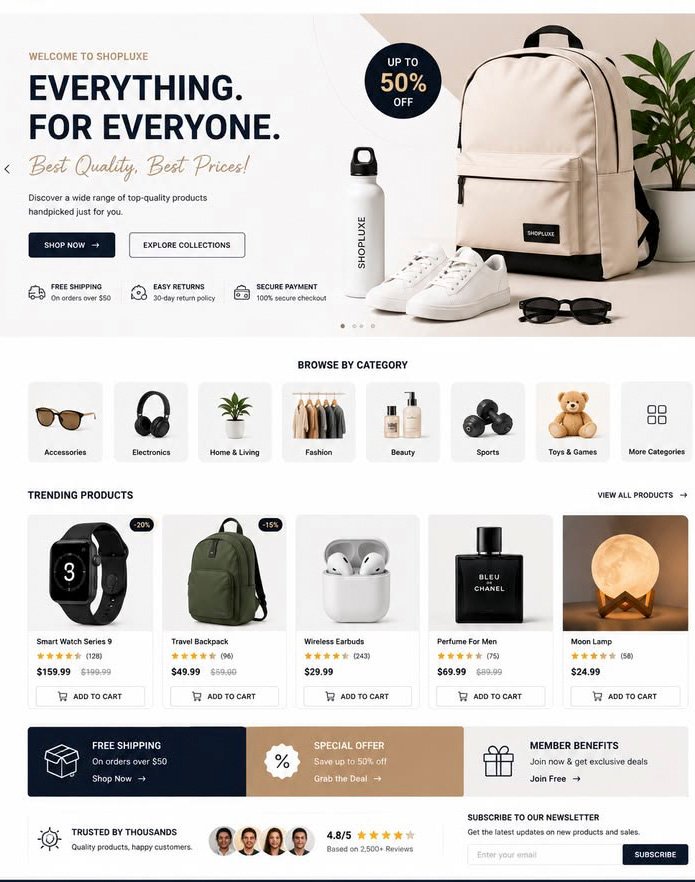
Organize products into useful categories. Each product page should include clear images, an accurate description, pricing, available sizes or variations, and relevant product information.
Shopping Cart and Secure Checkout
Customers should be able to review their selected products, update quantities, understand delivery charges, and complete their orders without unnecessary steps.
Payment gateway integration should be selected according to your business requirements and supported payment methods.
Basic SEO Setup
SEO helps search engines understand your website and its pages. Useful practices include descriptive page titles, readable URLs, relevant product descriptions, image alt text, and a logical website structure.
SEO can improve search visibility over time, but rankings depend on competition, content quality, technical health, and other factors.
Website Security and Maintenance
Your website may require software updates, backups, security checks, and troubleshooting. Before the project begins, clarify who will handle these responsibilities after launch.
4. How to Choose the Right Development Company
Choosing a development partner involves more than comparing prices.
Review Previous Work
Ask to see relevant website examples. Check whether the websites are easy to navigate, display properly on mobile devices, and provide a clear shopping experience.
Understand the Complete Cost
Ask for a written quotation that explains design, development, hosting, domain costs, paid plugins, payment gateway charges, maintenance, and any additional fees that apply.
A low initial price may not include everything required to operate the store.
Discuss Your Business Goals
Explain what you sell, who your customers are, how orders will be delivered, and which payment methods you want to accept. A good developer should discuss these requirements before suggesting a solution.
Check Communication and Support
Confirm how you can contact the development team, what support is included, and whether you will receive access to manage your products and orders.
These details can prevent confusion after the website goes live.
5. Common Mistakes to Avoid
Small businesses can avoid unnecessary expenses by planning carefully.
Choosing only by price: Compare the scope of work, quality, features, and support instead of selecting the cheapest quotation automatically.
Ignoring mobile users: A website that works poorly on phones can make browsing and checkout difficult.
Using incomplete product information: Missing prices, unclear descriptions, and poor images can reduce customer confidence.
Forgetting ongoing costs: Hosting, domain renewal, maintenance, and some paid tools may require recurring payments.
Expecting instant sales: A new website needs relevant traffic, a useful product offering, customer trust, and a smooth purchasing experience. Results vary from business to business.
6. Frequently Asked Questions
1. What does an ecommerce website development company do?
It helps businesses create online stores with product pages, shopping carts, checkout functionality, payment integration, and other features required for online selling.
2. How much does an ecommerce website cost for a small business?
The cost depends on the number of products, design requirements, integrations, platform, and ongoing support. Request a detailed quotation based on your specific requirements.
3. Which is better, a custom website or a ready made platform?
A ready made platform may suit businesses that want to start with standard ecommerce features. Custom development may be appropriate when a business needs specific functionality. The right choice depends on budget and requirements.
4. Can I manage my ecommerce website myself?
Yes. Many ecommerce solutions allow business owners to add products, update prices, manage orders, and review customer information. Ask your developer for training before launch.
5. Does an ecommerce website need SEO?
SEO can help search engines discover and understand product pages. A useful SEO setup includes descriptive titles, organized categories, clear product information, and technically accessible pages.
6. How long does it take to build an ecommerce website?
The timeline depends on the number of products, design complexity, payment integration, content readiness, and required features. A developer should provide a realistic timeline after reviewing your project.
7. Conclusion
Choosing the right ecommerce website development company for small business needs starts with understanding your goals, budget, customers, and required features. A useful online store should make product discovery simple, provide a smooth checkout experience, work well on mobile devices, and support future improvements.
Before making a decision, compare relevant work samples, confirm the complete cost, and discuss maintenance and ownership. Careful planning can help you build a website that supports your business operations and online marketing efforts.
CTA
If you are planning to sell products online, Promize can help you explore ecommerce website development options based on your business requirements. Discuss your goals, required features, and budget before deciding on the right approach.